Image
This podcast covers how the adoption of CGM systems is transforming transitional care strategies from hospital to home.
This podcast is not approved for CME credit. Every diabetes treatment plan is different, individual results may vary – nothing you hear on this podcast should be considered medical advice. All claims are supported by clinical evidence referenced in the show notes. For clinical study results, please refer to the Dexcom G7 User Guide. For product-related questions, please refer to the instructions for use. For complete safety information, go to dexcom.com/safety-information.
Host Cher Pastore speaks to guest, David Tulle who has worked for Dexcom for over 11 years, leading teams across the Central Plains, in the mid-south and US regions and is currently leading Dexcom’s hospital discharge program.
David’s focus is a new approach: integrating continuous glucose monitoring (CGM) systems into hospital discharge plans for better diabetes management. The conversation covers how the adoption of CGM systems is transforming transitional care strategies from hospital to home and improving patient outcomes.
The second half of the discussion explores Dexcom's initiative to incorporate CGM into hospital discharge plans. David and Cher discuss how this program provides education and critical tools to newly diagnosed diabetes patients, potentially reducing readmission rates, and offering insight into how Dexcom's initiative could address the need for better disease management strategies post-discharge.
Finally, Cher and David discuss the collaborative benefits of this program, including how the integration of CGM into discharge planning can empower healthcare professionals to provide better care continuity. They look at why vulnerability in the healthcare system calls for the use of technologies like CGM and how Dexcom's strategy paves the way for a more holistic and technology-driven approach to diabetes management.
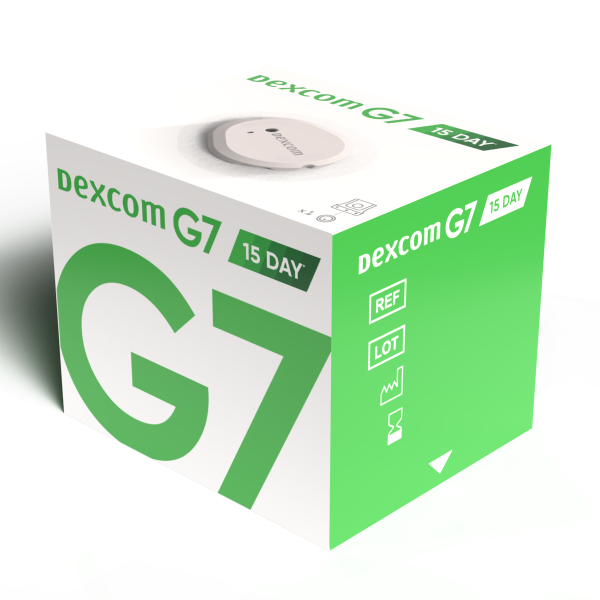
Fingersticks required for diabetes treatment decisions if symptoms or expectations do not match readings. Dexcom G7 can complete warmup within 30 minutes, whereas other CGM brands require up to an hour or longer. Smart devices are sold separately. For a list of compatible smart devices, visit: dexcom.com/compatibility. “Dexcom" refers to the Dexcom CGM. Compatible smartphone is required to pair a new Dexcom G7 sensor with a compatible Apple Watch. To use Share/Follow the smartphone must be within 33 feet of the Dexcom G7. The Dexcom G7 Continuous Glucose Monitoring System (Dexcom G7 System) is a real time, continuous glucose monitoring device indicated for the management of diabetes in persons aged 2 years and older. Dexcom G7 has no limitations for use in pregnancy. G7 15 Day is only for adults 18+.
Brief Safety Statement: Failure to use the Dexcom Continuous Glucose Monitoring System and its components according to the instructions for use provided with your device and available at https://www.dexcom.com/safety-information and to properly consider all indications, contraindications, warnings, precautions, and cautions in those instructions for use may result in you missing a severe hypoglycemia (low blood glucose) or hyperglycemia (high blood glucose) occurrence and/or making a treatment decision that may result in injury. If your glucose alerts and readings from the Dexcom CGM do not match symptoms, use a blood glucose meter to make diabetes treatment decisions. Seek medical advice and attention when appropriate, including for any medical emergency.
Dexcom, Dexcom Follow, Dexcom Clarity, and Dexcom Share are registered trademarks of Dexcom, Inc. in the U.S., and may be registered in other countries.
STELO IMPORTANT INFORMATION: Consult your healthcare provider before making any medication adjustments based on your sensor readings and do not take any other medical action based on your sensor readings without consulting your healthcare provider. Do not use if you have problematic hypoglycemia. Failure to use Stelo and its components according to the instructions for use provided and to properly consider all indications, contraindications, warnings, and cautions in those instructions for use may result in you missing a severe hypoglycemia (low blood glucose) or hyperglycemia (high blood glucose) occurrence. If your sensor readings are not consistent with your symptoms, a blood glucose meter may be an option as needed and consult your healthcare provider. Seek medical advice and attention when appropriate, including before making any medication adjustments and/or for any medical emergency. Patient results may vary.