Image
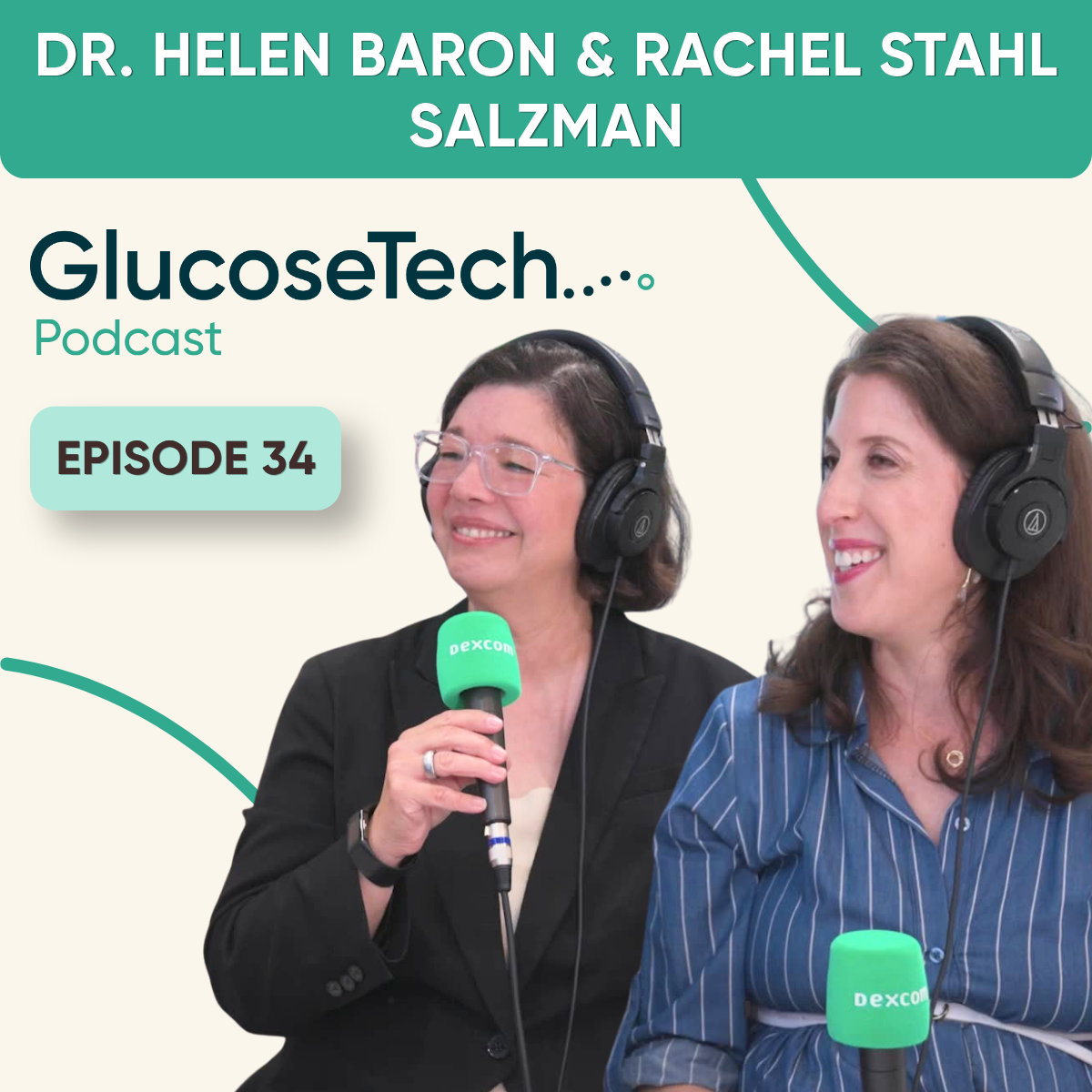
At ADA 2026, clinicians discuss Stelo, glucose biosensor data, and patient education in practice.
This podcast is not approved for CME credit. Every diabetes treatment plan is different, individual results may vary – nothing you hear on this podcast should be considered medical advice. All claims are supported by clinical evidence referenced in the show notes. For clinical study results, please refer to the Dexcom G7 User Guide. For product-related questions, please refer to the instructions for use. For complete safety information, go to dexcom.com/safety-information.
Recorded live at ADA 2026, endocrinologist Helen Baron and diabetes care and education specialist Rachel Stahl Salzman discuss how glucose biosensor information may inform conversations about meals, activity, sleep, stress, and metabolic health. The discussion is most relevant to endocrinologists, dietitians, diabetes educators, and other clinicians supporting people with diabetes or prediabetes.
1. Dexcom Stelo Glucose Biosensor https://www.dexcom.com/en-us/stelo
2. Dexcom G7 15 Day Continuous Glucose Monitoring System https://www.dexcom.com/en-us/all-access/dexcom-cgm-explained/new-g7-15-day-cgm
3. Dexcom Clarity https://clarity.dexcom.com
4. Oura Ring https://ouraring.com
5. ADA 2026 Scientific Sessions https://professional.diabetes.org/scientific-sessions
6. Dexcom Stelo App Reimagined Experience https://investors.dexcom.com/news/news-details/2026/Dexcom-Further-Advances-Vision-of-Glucose-Biosensing-for-All/default.aspx
Some guests are paid spokespersons for Dexcom. Fingersticks required for diabetes treatment decisions if symptoms or expectations do not match readings. Dexcom G7 can complete warmup within 30 minutes, whereas other CGM brands require up to an hour or longer. Smart devices are sold separately. For a list of compatible smart devices, visit: dexcom.com/compatibility. “Dexcom" refers to the Dexcom CGM. Compatible smartphone is required to pair a new Dexcom G7 sensor with a compatible Apple Watch. To use Share/Follow the smartphone must be within 33 feet of the Dexcom G7. The Dexcom G7 Continuous Glucose Monitoring System (Dexcom G7 System) is a real time, continuous glucose monitoring device indicated for the management of diabetes in persons aged 2 years and older. Dexcom G7 has no limitations for use in pregnancy. G7 15 Day is only for adults 18+.
Brief Safety Statement: Failure to use the Dexcom Continuous Glucose Monitoring System and its components according to the instructions for use provided with your device and available at https://www.dexcom.com/safety-information and to properly consider all indications, contraindications, warnings, precautions, and cautions in those instructions for use may result in you missing a severe hypoglycemia (low blood glucose) or hyperglycemia (high blood glucose) occurrence and/or making a treatment decision that may result in injury. If your glucose alerts and readings from the Dexcom CGM do not match symptoms, use a blood glucose meter to make diabetes treatment decisions. Seek medical advice and attention when appropriate, including for any medical emergency.
Dexcom, Dexcom Follow, Dexcom Clarity, and Dexcom Share are registered trademarks of Dexcom, Inc. in the U.S., and may be registered in other countries.
STELO IMPORTANT INFORMATION: Consult your healthcare provider before making any medication adjustments based on your sensor readings and do not take any other medical action based on your sensor readings without consulting your healthcare provider. Do not use if you have problematic hypoglycemia. Failure to use Stelo and its components according to the instructions for use provided and to properly consider all indications, contraindications, warnings, and cautions in those instructions for use may result in you missing a severe hypoglycemia (low blood glucose) or hyperglycemia (high blood glucose) occurrence. If your sensor readings are not consistent with your symptoms, a blood glucose meter may be an option as needed and consult your healthcare provider. Seek medical advice and attention when appropriate, including before making any medication adjustments and/or for any medical emergency. Patient results may vary.