Image

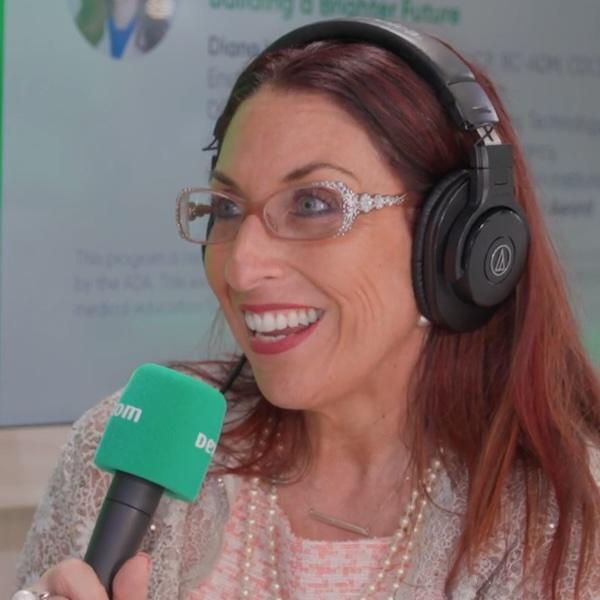
Dexcom President and CEO, Jake Leach discusses CGM workflow, CONNECT, and new Dexcom tools for HCPs.
This podcast is not approved for CME credit. Every diabetes treatment plan is different, individual results may vary – nothing you hear on this podcast should be considered medical advice. All claims are supported by clinical evidence referenced in the show notes. For clinical study results, please refer to the Dexcom G7 User Guide. For product-related questions, please refer to the instructions for use. For complete safety information, go to dexcom.com/safety-information.
Hear directly from Jake Leach, Dexcom president and CEO, as he unpacks the continuous glucose monitoring (CGM) innovations that may matter most to healthcare professionals (HCPs) and key opinion leaders. Recorded live at ADA 2026, this episode gives HCPs a practical look at how CGM is evolving across data interpretation, workflow integration, and evidence generation - and what those changes may mean for patient education, therapy review, and access conversations in real-world practice.
Cher Pastore:
[00:00:00 - 00:00:07]
Welcome to GlucoseTech. This is a podcast dedicated to US-based healthcare providers treating patients with diabetes.
Jake Leach:
[00:00:07 - 00:00:36]
Smart Basal is one of those technologies that's in a pilot launch right now. We've got it. Quite a few clinics across the US seeing great results. I just saw a patient that within 17 days got to their optimal dose. When you think about health and longevity, I think as we continue to study that, we're going to see that glucose is a very important, vital sign that needs to be monitored and people need to have education about it. I have not met a single person who has worn a CGM and not learned something.
Cher Pastore:
[00:00:41 - 00:01:20]
Welcome back to GlucoseTech, the podcast bringing healthcare professionals practical conversations on continuous glucose monitoring. I'm your host, Cher Pastore. We're coming to you live from ADA 2026. In today's episode, we're exploring the latest innovations from Dexcom and discussing how the CGM landscape continues to evolve to better support patients and the clinicians who serve them. Joining us today is Jake Leach, President and CEO of Dexcom. He's going to be sharing his perspective on the company's latest advancements in the future of CGM technology and what's next for the industry. Jake, thanks for joining us today.
Jake Leach:
[00:01:21 - 00:01:27]
Hi, Cher. It's great to be here. You know, I think we've tried to get this to happen a couple of times and now we're finally here. It's great. Yeah, yeah.
Cher Pastore:
[00:01:27 - 00:01:50]
In person, which is much better because sometimes you have to do it virtually. So it's so great to be here with you today. So what we're really going to focus on when we talk about how Dexcom or really CGM technology in general. Right, of course, Is how it's helping clinicians. How can they implement it into practice, how can they kind of sort through all this technology, like what is really meaningful to them and to their patients? Does that sound good?
Jake Leach:
[00:01:50 - 00:01:51]
Sounds great.
Cher Pastore:
[00:01:51 - 00:02:01]
All right, awesome. So let's just get into it. So let me just ask you. So from your perspective, let's kind of talk about the evolution of CGM technology. I know you've been here for 20 years. 21.
Jake Leach:
[00:02:01 - 00:02:02]
22 years.
Cher Pastore:
[00:02:02 - 00:02:03]
22.
Jake Leach:
[00:02:03 - 00:02:07]
And then eight years before that at another CGM company.
Cher Pastore:
[00:02:07 - 00:02:19]
Wow. Okay. So can you just talk about how has it evolved and where are we now? And there's so much has changed, really, in the past 10 years. So how do the clinicians kind of sift through all of that?
Jake Leach:
[00:02:19 - 00:03:44]
Yeah, it's a really important question as you think about the evolution of CGM over the basically last three decades. It started as a blinded product that was only. The data was only visible to the physicians, and then now it is such an empowering tool. I think some of the biggest things that have changed is the usability of the products and every component of it. The accuracy, the reliability, how the data is available, integration with the smartphones. There's so many innovations that have occurred that make the products easier to use for both the patients as well as the clinicians. I remember in the early days, there was a lot of question around the amount of data and how is it going to be used by the users and the clinicians as well. And I think as we've developed more and more technology around the sensor software Clarity, the patients and the physicians can interact with it. You know, spotting patterns is one of the big things that we implemented into Clarity that really started to interpret the data for physicians instead of them having to comb through, you know, days and days of data. Really the idea is it points you to the most impactful areas for that patient and what they need to work on from a therapy perspective. Because a big part of what we're trying to do is optimize diabetes therapy. A lot of it is around diet activity, but there's a really significant part around medication. And so we're starting to launch new tools to help physicians and patients better manage their medications.
Cher Pastore:
[00:03:44 - 00:04:24]
Yeah, and I mean, I remember. So I was in practice as a dietitian, diabetes educator, and Clarity was my favorite software. I love the overview report, but because it would help, you could just quickly look at it. Right. And you know where you're going to focus that conversation. Do I need to focus on hypoglycemia? Hyper. How much time in range? And it really helps you. So I love that we talked about that because I think it's important for our listeners out there, there to know that at Dexcom, we're really trying to always focus on the person, whether they have diabetes or they don't. They just want to help their metabolic health. So whatever's happening with the person, we're trying to make the feature for them. Can you talk to that a little bit?
Jake Leach:
[00:04:24 - 00:05:30]
Yeah, sure. So we're always trying to meet a need for users, whether it's a prescribing physician or a physician who's interpreting data or the patient who's wearing the product. And one of the unique things that's happened over time is CGM. When we first started developing the technology, we were very focused on replacing fingersticks for people who have type 1 diabetes because there's, you know, fingersticks are pretty barbaric. Not nearly enough information to, to really manage the disease well. So we just were very focused on making an accurate and reliable CGM. And over time, as we've recognized, the technology's gotten easier to use, more people are using it. The benefit that can be driven through the whole spectrum of diabetes, as well as prediabetes, which we're starting to call early-stage diabetes now, and also longevity and health and wellness. There's so much impact that this technology can have, and I think a big part of that has been making it more reliable, making it easier to use. You know, all the tools and technology around. The user experience is a big part of what makes the technology so impactful.
Cher Pastore:
[00:05:31 - 00:06:21]
Yeah. So can we just expand on that a little bit? So on my flight down here to New Orleans, the person I sat next to, he works for another company. And we started talking about CGM and he basically was like, kind of doubting. He was like, why would a person without diabetes ever wear a continuous glucose monitor? And so I said, well, actually we are having a take home trial and if you would like to, you could put on a Stelo, which is our product for people who either have diabetes, not on insulin, or, or who don't have diabetes. And I was, you know, it's about like looking at your habits, seeing how your glucose responds to food, exercise, activity, even sleep. So all of these things. So what would you say to some of our clinicians out there who might think the same thing? Right? They might think that a CGM is only for people who have diabetes.
Jake Leach:
[00:06:21 - 00:08:02]
I think it's a question that's been asked many times. A couple of things I think about is 40% of the US adult population has prediabetes. So. So I think anyone can benefit from learning more about how their activities, how their diet choices impact their glucose. And I have not met a single person who has worn a CGM and not learned something. I mean, myself, I don't have diabetes. I wear CGMs all the time. And a lot of it, we're testing new technology, we're testing new ideas, but you learn a ton. And the goal is to ensure that, you know, you're not having these large glucose excursions that those, you know, we don't have diabetes, it still can impact you over time. And so minimizing the glucose excursions. And for me, it's just a lot. Not changing what I eat, changing the order of how I eat it. If I eat a lot of carbohydrates on an empty stomach, I'm going to get a big glucose spike and if I eat it with some protein, I don't. And so I've changed breakfast habits, I've changed when I get home from work, you know, I don't immediately have a beer. I like eat something first. So I think it's. Everyone learns something and we see all kinds of patterns of use. Some people really like to use the CGM all the time, both as a learning tool but also a little bit of accountability. And so they, you know, I think we all, I certainly eat differently when I'm wearing a CGM just because continually reminds me. So I think that's a good thing. And we also have folks that use it sporadically occasionally, you know, learn reinforce those learnings. So it's a really powerful tool and I think over time we're going to learn as we see more and more use, we're going to learn how it's applied.
Cher Pastore:
[00:08:02 - 00:08:24]
Right. And we're going to see so much from learning. You know, as a HCP out there, we don't really even know like what happens if the glucose is elevated for an hour, is it, what if it's 20 minutes? Like we're going to just learn so much from this day. Data. Yeah. So can you talk about any, tell our listeners any of the new features that Dexcom has or what we've been working on?
Jake Leach:
[00:08:25 - 00:08:26]
We've got lots.
Cher Pastore:
[00:08:26 - 00:08:26]
Okay.
Jake Leach:
[00:08:28 - 00:09:26]
On the software side, we're doing a lot around therapy optimization for insulin users. So we have, when you think about our product portfolio, it serves a very large diverse group of patients. So you've got type one people, type one, you have people type two that intensively are on intensive insulin. So they're taking multiple shots a day. We've got, you know, basal insulin users and then we have a broad spectrum type 2 patients are using all kinds of different medications to lower their glucose. And one of the things we're working on is bringing new technology for both the physician and the patient to optimize it. So Smart Basal is one of those technologies that's in a pilot launch right now. We've got it quite a few clinics across the US seeing great results. I just saw a patient that within 17 days got to their optimal dose. Glucose control is so much better when you've got the right dose of basal insulin for that long acting insulin. So you can see it with the CGM and the patient can see it and everybody feels good. And I think it's a powerful tool.
Cher Pastore:
[00:09:26 - 00:09:44]
Right. Because how it looks now in practice for an HCP to titrate insulin. They're still looking at fingersticks. Right. They're calling every three days. Could take, I don't know, several months to get to an optimal range. So we're really trying to help both the patient and the clinician there.
Jake Leach:
[00:09:44 - 00:11:32]
Yeah, I mean, doing basal insulin titration without a tool like this is really hard because they start them at a dose that they don't want to give them too much. So they started usually a pretty small dose and then kind of see how that goes and then change the dose. But there's this interaction that has to happen either in the clinic or on the phone. And it's just this system is designed to automatically do it in the background based on the CGM data. And so it really gets the patient because if you're taking a shot of insulin once a day and you're not seeing a lot of results because it's too small of a dose, you're not going to, you know, who knows, maybe you stop taking because you're like, this isn't helping me. So this new system gets people to that dose quickly and they can see the impact in their glucose and so can the physician. And so I think it's a, a, it's going to be a great tool. We also have a Smart Bolus coming, which is a tool around those who are doing fast acting insulin. You can basically it's designed to help you determine how much insulin to take and then if there's a correction bolus needed, it does that too. And it's all built into the CGM software. So there's nothing else you have to do. And so that's some things. One of the things we're doing on the clinician side is we're implementing Clarity into the EHR. So many of our clinicians are using EHRs in all the other parts of their practice. And then to look at the data, they have to go to Clarity, which we all love Clarity, and a lot of clinics use it daily. But for many it's a burden to kind of bounce in between the two systems. And so the idea is let's put all that functionality right into the EHR. So we have hundreds of hospitals and clinical sites onboarding right now with our current integration. And we're going to continue to evolve that EHR integration so that we have full Clarity functionality built in.
Cher Pastore:
[00:11:32 - 00:11:52]
Yeah, I know so many clinicians out there are waiting for that. I mean, for sure. Because already you have to do so many different things. Right. And even in terms of app, I have to download this app. And so that's going to save so much time. Okay, Jake, now we didn't talk about this, but can you tell our listeners anything about Nutrisense?
Jake Leach:
[00:11:52 - 00:13:08]
Yeah, yeah, we're really excited about Nutrisense is a company that we've struck a deal to purchase and it is that they've been a partner of Dexcom's for a while and what they've been doing is developing this really cool system that is powered by highly experienced certified nutrition specialists. And what they do is they work with the patient on a CGM -guided nutrition plan. And depending on what the patient's trying to achieve, whether it's weight loss or better metabolic health, it's all guided by CGM. And they've been doing this for a while. And so they've been using our CGMs and they built this whole system of software and a number of nutrition experts that basically are able to build this really engaging experience when the patient first starts using the CGM. And what we found is that level of engagement and really understanding, connecting the dots with the data and the nutrition is a really powerful tool to drive the engagement of the user to use the CGM and to get the benefits from it. And so we see some pretty high engagement scores for people who use the system. So our goal is to integrate it across all of our products, to give everyone the option to do to have that tailored personalized nutrition plan.
Cher Pastore:
[00:13:08 - 00:13:43]
This is like so near and dear to my heart because I'm a dietitian and this is what I would do in practice. And so I've been at Dexcom now eight years, so almost a decade. And so, yeah, I mean, I've been doing this my whole career, so I'm so happy that it's all coming together. So excited. So can we also tell some of our HCPs out there maybe about, you know, so G7 15 Day is recent on the market and I just want to talk maybe about some of the changes with G7 15 Day and maybe some of the accuracy changes and what clinicians can expect there if they aren't already using it.
Jake Leach:
[00:13:43 - 00:16:08]
Yeah, the 15 day G7 is our latest version of our product. We just started launching it across all of the channels in the United States in January. So it's been out for about, we're coming six months. We're seeing really high satisfaction from patients and clinicians who are using this product. It basically not only extends the sensor wear to 15 and a half days. So it's the 15 days plus the 12 hour grace period, which is designed to make it convenient to change your sensor. And then it also has improvements to the algorithm inside the product, which is what basically calculates glucose readings from the sensor signals. And what we've done over many years is every time we launch a product, we learn a lot. After it's been out in the market for a while, we learn subtle things we can do to further improve it. And so we've done that with each of our generations. We always come out after about a year or two, we come out with a new version of the algorithm in the product. And so we did that with 15 days. So not only is longer lasting, it's more accurate. And it also part of the algorithm improvement is around the way the data is presented to the user. And so when you look at the glucose graph, there's a lot, it's a lot smoother, smoother. And what that was, was learnings from G7. And basically the, the signal can, when you're looking at it on G7, 10 day, sometimes it's a little jittery and it actually is responding very rapidly to glucose. But the way that we interpret that now on the 15 day is it kind of smooths it out a little more. Patients really like it. It's really interesting. Just like subtle change like that, like it's noticeable and we're hearing a lot of feedback about it. And so patients are noticing that that improved accuracy. So we're very excited about this. It also one thing I'd add is we do have a new patch that's coming out across the whole, the whole product line. It's starting on 15 day. We're going to move it on to 10 day as well. It's a, it is a patch that lasts longer. So even for those users on 10 day, they'll benefit from it as well because it is like 10% more survival of the sensor with this adhesive and it does not. We basically study this in people with known sensitivities to adhesives to make sure that it is stickier. So is it going to cause any more irritation? And so we studied that very closely and we didn't see any increase in irritation. So we're really excited to roll that out across the whole product portfolio.
Cher Pastore:
[00:16:08 - 00:16:12]
Okay, so is that out now? Is that G7 15 Day?
Jake Leach:
[00:16:12 - 00:16:27]
It's on product. It's not on all the product because it's kind of finding its way through the channels, but it's. Yeah, there are users out there for the last about six weeks. It's six weeks ago. Is when we saw the first product in market, patients using it and it's just going to continue to flow from there.
Cher Pastore:
[00:16:27 - 00:17:09]
So, Jake, now that I have you on, I really think it's important if you can tell some of our clinicians out there because I know this and I know this is near and dear to my heart. So I would like you to tell them. In your view, you've been at Dexcom for a long time. You said 22 years and now you're the CEO. Do you really feel in your heart that we are always taking the patient and the clinician into consideration when we are designing a product or thinking about. Because I know sometimes we get called and I don't know, they get mad at us. And I just want to make sure that everybody knows that. I feel like we really are trying so hard and we keep the patient in mind. Do you feel like that?
Jake Leach:
[00:17:09 - 00:18:51]
I do. I think our intent is always to do the right thing for the patient and the customer. And the customer includes physicians, the prescribing physicians, treating physicians actually includes our partners and channels that help distribute the product and the payers who are paying for this product around the world. We keep all of their interests in mind and I say so. I'm very confident that around our culture the intent is do the right thing, always empowering patients. We have to continue to evolve ourselves to make sure that the patients and physicians are also feeling that. So I think that is a really important part of our evolution going forward. It's also one of the reasons why we set up the Customer Advisory Council. So we set that up earlier this year. It was a very diverse group of people who either use our products, wear their products or a family member uses it. And it was really the goal was to get unfiltered feedback about what we could do to improve the user experience around our products. We have the most accurate, longest lasting product today, but there's still times where we can improve. And so that was, you know, we like hearing how good we are, but we also need to hear how we can improve. And so that whole council was designed around that. We just released a report that's on our website that basically captures the feedback from that council and what we're doing in response to it. And so there's a lot of exciting detail in there around some of the new product features, service changes, all the things that we're doing to continue to ensure that we have the absolute best glucose sensing experience for users as well as the setting the bar for customer experience. We want everyone to have an amazing experience when they use a Dexcom product.
Cher Pastore:
[00:18:51 - 00:19:03]
And then how is that getting reported out? Do we have a channel to get that out or is that only for internal use? Or how would that get decided, disseminated down to the clinician and. Or the patient?
Jake Leach:
[00:19:03 - 00:19:25]
Yeah, it's a great question. It's available on our website for anybody to download. There's a PDF there. We also have hard copies that we've been handing out. Also our sales team is providing that to clinicians out in the field. We're getting really good. I mean, it's only. We just published it this week and we're already hearing good feedback from the field, from clinicians who've read it and said, wow, this is great stuff. So I encourage anyone to take a look at it.
Cher Pastore:
[00:19:26 - 00:19:49]
Yeah, Jake, I just want to say, I mean, I just think that's so important, right? I mean, you know, sometimes we have to get feedback. We learn, we change and we iterate and that's important part of the process. And that's what we do at Dexcom and we take it to heart for sure. So Jake, now that we're here at ADA, what else can we share with our listeners today? What new research or anything? Has anything new come out that we want to tell them about?
Jake Leach:
[00:19:49 - 00:22:24]
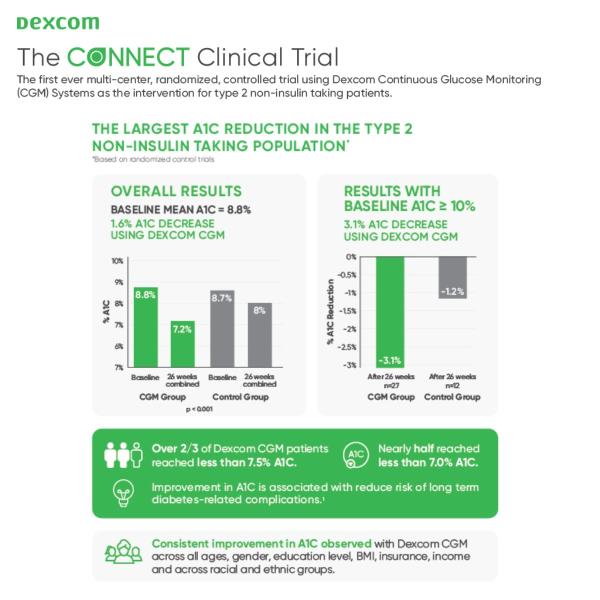
Well, yeah, yeah, it's pretty exciting. Yesterday we read out some results from a randomized controlled trial that we just ran and it was the first time we released these results. Dexcom has pioneered all kinds of new innovative technology and features that drive use of the CGM. But we also are driving outcomes, clinical outcomes, and we have a history of generating the evidence that is used for access for patients, that drives access for patients around the world to this technology. We started with an intensive insulin study back in 2016. It was called DIaMonD study. We ran that, that was really the cornerstone for access for type 2 and some type 1 intensive insulin users. Then we ran the MOBILE study and we reported that out in 2021. That was for basal insulin users and showed the significant benefit CGM has in that patient population. Yesterday the CONNECT study was read out. That is was a large randomized controlled trial showing the benefits of CGM in people with type 2 diabetes that don't use insulin to lower their glucose, but they take a combination of all of the other glucose lowering medications. We had a really good cohort of patients that, whether they're on metformin or a GLP-1, SGLT2 and even a portion of the study, about 8% weren't using any glucose lowering medication. And what we showed was a really powerful result in those that were using CGM to manage their diabetes. There's a control arm that just was using fingersticks. I think the average was they took three fingersticks a week. Compare that to CGM data, real time. And the benefit the Dexcom CGM drove in that patient population was significant. Some of the most significant improvements in glycemic control. We measured it using A1C. The population as a whole, we saw almost a 1% A1C drop, which is very significant clinically for those users. But some of the most impressive results were those using GLP-1s alone, with some of the highest improvement was in that group as well as those who are using just metformin. So I think it shows the spectrum of CGM and what it can do no matter what glucose lowering medication is being used. And I think over time what we're also going to see is de-intensification of medication once patients start learning about the other components around lifestyle and what actual food is doing to their glucose control. So you get that education there and then you can start dialing in again. Like I talked about the beginning, the therapy optimization and getting the medication doses and the type, getting that right. Really, really powerful combination.
Cher Pastore:
[00:22:25 - 00:22:49]
Yeah. And I think, you know, it's even important. I mean when a patient takes a GLP-1 or a person living with diabetes takes a GLP-1, they probably should see what their glucose is is doing. Right? I mean, is it going too low or what's happening there? So and I think that that's important. Whereas maybe some physicians would think that if they're oh, if they're on a GLP-1, they don't need to be on a CGM. But the reality is it helps.
Jake Leach:
[00:22:49 - 00:23:30]
It helps a lot. And the results are pretty clear. We've shown from clinical trials before, we've shown this. But in this trial, it's a very powerful randomized control arm trial. So it is. Those results in GLP-1 users were pretty phenomenal. And it's really driven by the fact that the two, although they're both used in diabetes, they do work on very different things. Right. The GLP-1 is all about the amount of food consumed and the body's processing of that food. CGM is all about what food, what type of food, what order, like just better understanding the education. So you've got those two things working together is a really powerful combination for out to drive outcomes and these patients.
Cher Pastore:
[00:23:30 - 00:23:48]
Living with diabetes and not just drive outcomes. But I also think it helps to, for the person wearing a product or taking a GLP-1, I think it helps to increase engagement and they can be more engaged in their treatment, their choices. And I've talked to a lot of people wearing it, and I think that they're happy with it.
Jake Leach:
[00:23:48 - 00:24:47]
They are. I mean, with the CGM, it's the only tool that can show you in real time how that medication is working. And I think with GLP-1s, people are excited when they see what their glucose control does. And if they skip their dose, they're going to see also what it looks like. And I think that is it's a tool that helps just optimize things and the patient. Reported outcomes from the CONNECT study were also read out yesterday, a portion of them, and diabetes distress was much lower. There has been this question clinicians have asked, are people with type 2 diabetes that aren't taking insulin, are they going to use this product all the time? In the CONNECT study, we saw 97% utilization of the CGM, and that was really significant because the patients really liked using the product. They really thought they were getting benefit, and so they wanted to continue using it after the study. So we are doing an extension of the study where the groups are wearing CGM and we'll report those out later next year.
Cher Pastore:
[00:24:47 - 00:25:04]
Jake, before we wrap up today, is there anything else that you want to tell our clinicians that are listening in out there, you know, either about something that's coming, something that you didn't get to talk to them about today, anything about CGM in general technology before we wrap up?
Jake Leach:
[00:25:04 - 00:25:51]
Well, I think we now have a body of evidence that shows CGM is incredibly impactful in all people with diabetes, the whole spectrum. And so we're working very hard to get more insurance coverage for CGM. Right now, half of the people that have commercial insurance are covered for CGM if they have diabetes. So that's new. One of the things that's important, I think, is the coverage landscape for CGM continues to evolve very rapidly. So the important thing is to stay up on that. Our teams are out there trying to help make sure everyone is aware of just how much benefit can be had by this product and who can have access to it. And the goal right now is anyone with diabetes should have access to CGM. We're going to continue to drive that around the world for all users because of the benefit this technology has.
Cher Pastore:
[00:25:51 - 00:25:56]
And what about people, though, who don't have diabetes? Do we want to mention that?
Jake Leach:
[00:25:56 - 00:26:08]
When you think about health and longevity, I think as we continue to study that, we're going to see that glucose is a very important, vital sign that needs to be monitored, and people need. Need to have education about it.
Cher Pastore:
[00:26:09 - 00:26:19]
Jake, thank you so much for being here today. This is, like, an amazing episode. Thank you for spending time with us, and we'll get some feedback and if we need to have you back on, will you come on?
Jake Leach:
[00:26:19 - 00:26:21]
I would. I'd love to. Yeah. Thank you. Sure.
Cher Pastore:
[00:26:21 - 00:26:32]
Thank you. Thanks for tuning in to another episode of the GlucoseTech Podcast. For more learning resources, head to glucosetech.com and we'll see you next time.
Some guests are paid spokespersons for Dexcom. Fingersticks required for diabetes treatment decisions if symptoms or expectations do not match readings. Dexcom G7 can complete warmup within 30 minutes, whereas other CGM brands require up to an hour or longer. Smart devices are sold separately. For a list of compatible smart devices, visit: dexcom.com/compatibility. “Dexcom" refers to the Dexcom CGM. Compatible smartphone is required to pair a new Dexcom G7 sensor with a compatible Apple Watch. To use Share/Follow the smartphone must be within 33 feet of the Dexcom G7. The Dexcom G7 Continuous Glucose Monitoring System (Dexcom G7 System) is a real time, continuous glucose monitoring device indicated for the management of diabetes in persons aged 2 years and older. Dexcom G7 has no limitations for use in pregnancy. G7 15 Day is only for adults 18+.
Brief Safety Statement: Failure to use the Dexcom Continuous Glucose Monitoring System and its components according to the instructions for use provided with your device and available at https://www.dexcom.com/safety-information and to properly consider all indications, contraindications, warnings, precautions, and cautions in those instructions for use may result in you missing a severe hypoglycemia (low blood glucose) or hyperglycemia (high blood glucose) occurrence and/or making a treatment decision that may result in injury. If your glucose alerts and readings from the Dexcom CGM do not match symptoms, use a blood glucose meter to make diabetes treatment decisions. Seek medical advice and attention when appropriate, including for any medical emergency.
Dexcom, Dexcom Follow, Dexcom Clarity, and Dexcom Share are registered trademarks of Dexcom, Inc. in the U.S., and may be registered in other countries.
STELO IMPORTANT INFORMATION: Consult your healthcare provider before making any medication adjustments based on your sensor readings and do not take any other medical action based on your sensor readings without consulting your healthcare provider. Do not use if you have problematic hypoglycemia. Failure to use Stelo and its components according to the instructions for use provided and to properly consider all indications, contraindications, warnings, and cautions in those instructions for use may result in you missing a severe hypoglycemia (low blood glucose) or hyperglycemia (high blood glucose) occurrence. If your sensor readings are not consistent with your symptoms, a blood glucose meter may be an option as needed and consult your healthcare provider. Seek medical advice and attention when appropriate, including before making any medication adjustments and/or for any medical emergency. Patient results may vary.